


Features of Effective Flight Attendant Courses
- Meghann du Plooy
- Apr 27
- 3 min read
Becoming a flight attendant is an exciting career choice that combines travel, customer service, and safety responsibilities. To succeed in this dynamic role, comprehensive training is essential. Over the years, I have explored various flight attendant courses and discovered what makes some programs stand out from the rest. Whether you are just starting your journey or looking to enhance your skills, understanding the features of effective training can help you make the best decision.
What Makes Flight Attendant Courses Stand Out?
When I first looked into flight attendant courses, I realized that not all training programs are created equal. The best courses offer a blend of practical skills, theoretical knowledge, and real-world scenarios. Here are some key features that I found essential:
Comprehensive Curriculum: A well-rounded course covers safety procedures, emergency protocols, customer service, communication skills, and cultural awareness.
Experienced Instructors: Learning from professionals with real airline experience adds immense value.
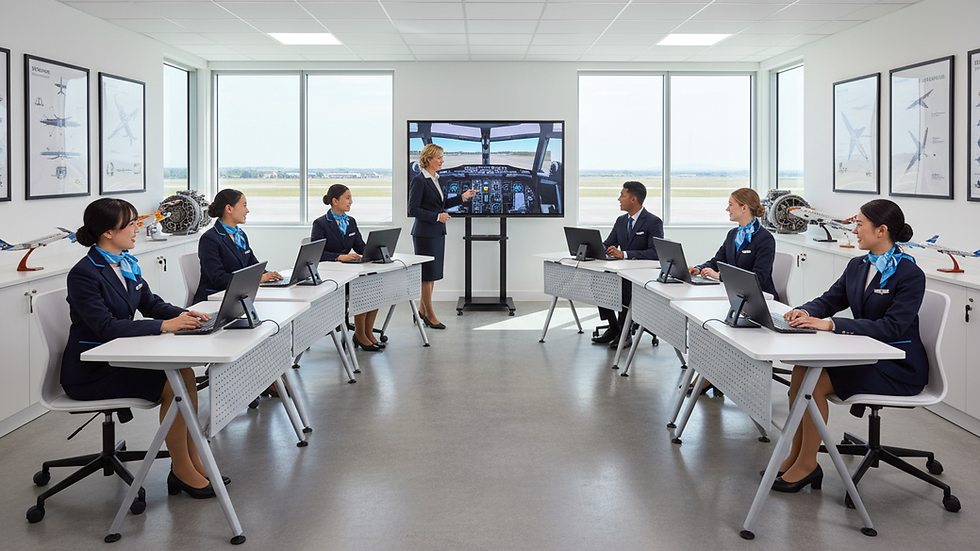
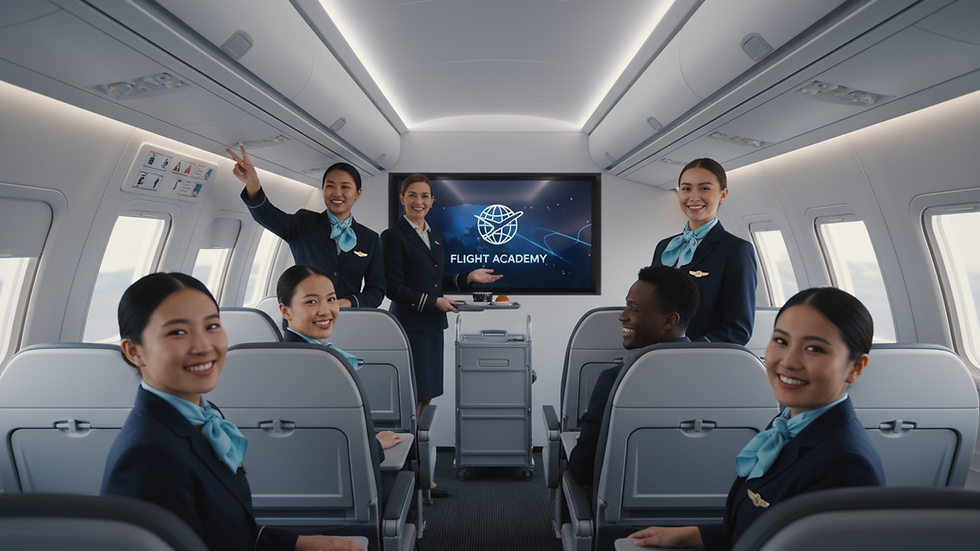
Hands-On Training: Simulations and role-playing exercises prepare students for actual in-flight situations.
Certification and Licensing: Accredited programs provide internationally recognized licenses that open doors worldwide.
Career Support: Assistance with job placement, interview preparation, and resume building is a huge plus.
These elements ensure that trainees are not only knowledgeable but also confident and ready to handle the challenges of the job.

Why Choose Flight Attendant Courses with Practical Training?
One of the most important aspects I noticed in effective flight attendant courses is the emphasis on practical training. Theory alone cannot prepare you for the fast-paced environment of an aircraft cabin. Practical sessions include:
Emergency Evacuation Drills: Practicing evacuation procedures helps build muscle memory and quick decision-making.
First Aid and Medical Training: Learning how to handle medical emergencies is crucial.
Customer Service Scenarios: Role-playing difficult passenger interactions improves communication and problem-solving skills.
Safety Equipment Handling: Familiarity with life vests, oxygen masks, and fire extinguishers is mandatory.
These hands-on experiences make a significant difference in how prepared you feel on your first flight.
How much is the flight attendant course in South Africa?
For those considering training in South Africa, the cost of flight attendant courses can vary depending on the institution and the depth of the program. On average, you can expect to pay between ZAR 30,000 and ZAR 50,000 for a comprehensive course that includes both theory and practical training.
Some factors influencing the price include:
Duration of the course (typically 4 to 8 weeks)
Inclusion of certification fees
Additional modules such as language training or advanced first aid
Career support services
It’s important to choose a program that balances affordability with quality to ensure you receive the best possible preparation.

The Role of Customer Service in Flight Attendant Training
Customer service is at the heart of a flight attendant’s role. During my research, I found that effective courses dedicate significant time to developing interpersonal skills. This includes:
Communication Techniques: Clear, polite, and empathetic communication helps manage passenger expectations.
Conflict Resolution: Handling difficult situations calmly and professionally is essential.
Cultural Sensitivity: Understanding diverse backgrounds enhances passenger comfort and safety.
Teamwork: Collaborating with fellow crew members ensures smooth operations.
Training programs often use real-life scenarios to practice these skills, which helps build confidence and professionalism.
Why Accreditation and Licensing Matter
One of the most critical features of a quality flight attendant course is accreditation. Accredited programs meet industry standards and are recognized by airlines worldwide. This recognition is vital because:
It validates the quality of the training.
It ensures the curriculum covers all necessary safety and service aspects.
It increases your employability in the competitive aviation industry.
It provides you with internationally recognized licenses, which are often mandatory for employment.
When choosing a course, always verify its accreditation status and the licenses it offers upon completion.
Preparing for a Successful Career in Aviation
Beyond the technical skills, effective flight attendant courses also focus on career readiness. This includes:
Interview Preparation: Mock interviews and tips on how to present yourself.
Resume Building: Guidance on creating a professional CV tailored to the aviation industry.
Networking Opportunities: Connecting with industry professionals and alumni.
Ongoing Support: Access to resources and advice even after course completion.
These features help bridge the gap between training and employment, making the transition smoother.
Choosing the right flight attendant training programs can set you on a path to a rewarding career in the skies. By focusing on comprehensive curricula, practical experience, customer service excellence, and career support, you can ensure you are well-prepared to meet the demands of this exciting profession. Whether you are training locally or internationally, investing in a quality program is the first step toward your dream job as a cabin crew member.

Comments