


Understanding Fees at Big Sky Cabin Training Academy: A Guide to Aviation Academy Costs
- Meghann du Plooy
- Apr 27
- 4 min read
Embarking on a career as a cabin crew member is an exciting journey. One of the first steps is choosing the right training academy that offers quality education and prepares you for the aviation industry. Big Sky Cabin Training Academy is a popular choice for many aspiring cabin crew members, including foreign students. However, understanding the costs involved is crucial before making any commitments. In this post, I will walk you through the various fees associated with Big Sky Cabin Training Academy and provide practical insights to help you plan your investment wisely.
Breaking Down Aviation Academy Costs
When considering aviation academy costs, it’s important to look beyond just the tuition fees. Training to become a cabin crew member involves several components that contribute to the overall expenses. At Big Sky Cabin Training Academy, the fees cover a comprehensive package designed to equip students with internationally recognized licenses and essential skills.
Here’s a breakdown of what you can expect:
Tuition Fees: This is the core cost covering classroom instruction, practical training, and assessments.
Uniform and Equipment: Some academies require students to purchase their own uniforms and safety equipment.
Medical and Fitness Tests: Health clearance is mandatory for cabin crew training.
Examination and Licensing Fees: These are fees for official exams and obtaining your cabin crew license.
Additional Workshops: Optional courses such as first aid or customer service may have extra charges.
Understanding these components helps you budget effectively and avoid surprises during your training.
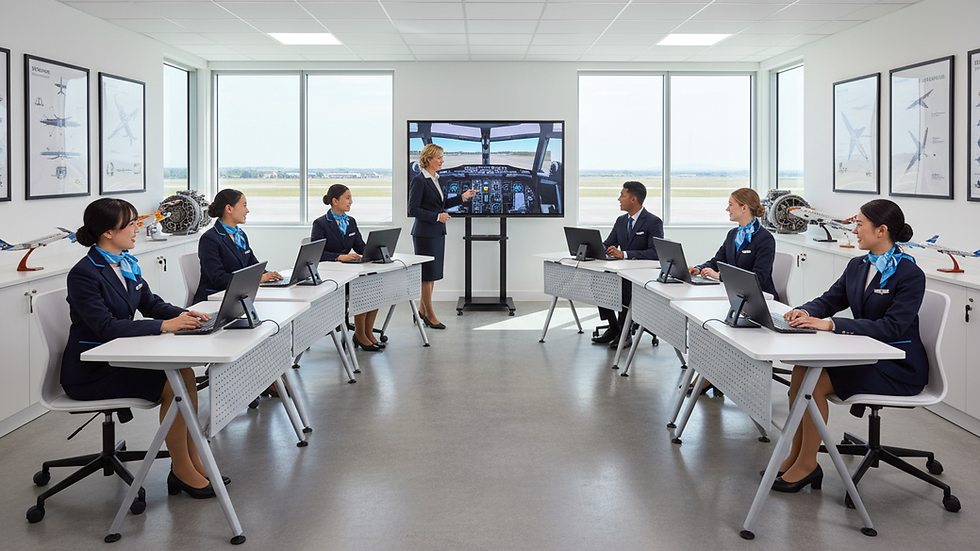
What Influences the Big Sky Cabin Training Academy Fees?
Several factors influence the overall fees at Big Sky Cabin Training Academy. Knowing these can help you make informed decisions and possibly find ways to manage costs.
Course Duration and Content
Longer courses with more in-depth training naturally cost more. Big Sky offers various programs, from basic cabin crew training to advanced courses that include safety and emergency procedures.
Accreditation and Licensing
The academy’s reputation and the international recognition of its licenses add value to the fees. You are paying for quality training that meets global aviation standards.
Location and Facilities
Training in a well-equipped facility with experienced instructors can affect the price. Big Sky’s investment in modern classrooms and simulators reflects in their fees.
Student Support Services
Services such as career guidance, job placement assistance, and language support for foreign students may be included or charged separately.
Additional Costs for Foreign Students
Visa processing, accommodation, and travel expenses are not included in the tuition but are important to consider.
If you want to get a detailed view of the current fee structure, you can check the official big sky cabin training academy fees page.
Does NSFAS Pay for Flight Attendants?
A common question among aspiring cabin crew members is whether the National Student Financial Aid Scheme (NSFAS) covers training for flight attendants. NSFAS is a South African government initiative that provides financial aid to eligible students pursuing tertiary education.
Currently, NSFAS funding for cabin crew training is limited. The scheme primarily supports qualifications offered by universities and public colleges. Since cabin crew training is often provided by private academies like Big Sky Cabin Training Academy, NSFAS may not cover these courses directly.
However, some students have reported success in applying for NSFAS funding if the course is part of a registered qualification or if the academy partners with accredited institutions. It’s advisable to contact NSFAS directly or consult with Big Sky’s admissions office to explore any available funding options.
In the meantime, consider alternative funding methods such as:
Personal savings or family support
Private student loans
Scholarships or bursaries offered by the academy
Employer sponsorships if you are already working in the aviation sector
Understanding your funding options early will help you plan your training without financial stress.

Tips for Managing Your Aviation Training Budget
Training at Big Sky Cabin Training Academy is an investment in your future. To make the most of your resources, here are some practical tips:
Plan Ahead: Research all potential costs, including hidden fees like medical exams or uniform purchases.
Ask for a Detailed Fee Breakdown: Request a full list of fees from the academy to avoid surprises.
Look for Payment Plans: Some academies offer instalment options to spread out the cost.
Consider Part-Time Work: If your schedule allows, part-time jobs can help cover living expenses.
Utilize Academy Resources: Take advantage of career support and job placement services to start earning sooner.
Network with Alumni: Connect with former students to get insights on managing costs and succeeding in the program.
By being proactive and informed, you can focus on your training and career development without financial distractions.
Why Investing in Quality Training Matters
Choosing Big Sky Cabin Training Academy means you are investing in a program that aims to be the leading provider for cabin crew training. The fees you pay reflect the quality of education, the expertise of instructors, and the comprehensive support you receive.
Quality training ensures you:
Meet International Standards: Airlines worldwide recognize the licenses and certifications from Big Sky.
Gain Practical Skills: Hands-on training prepares you for real-life scenarios onboard.
Receive Career Support: Guidance on job applications and interview preparation increases your chances of employment.
Build Confidence: Thorough preparation helps you excel in a competitive industry.
Remember, the cost of training is not just an expense but a stepping stone to a rewarding career in aviation.
I hope this guide has helped clarify the various aspects of aviation academy costs and what to expect from Big Sky Cabin Training Academy. If you’re ready to take the next step, make sure to review the official big sky cabin training academy fees and reach out to their admissions team for personalized advice. Your journey to the skies starts with the right investment in your education and training. Safe travels!


Comments