


How to Begin a Cabin Crew Career in South Africa: Unlocking Cabin Crew Opportunities
- Meghann du Plooy
- Apr 6
- 3 min read
Starting a career as a cabin crew member in South Africa is an exciting journey filled with opportunities to travel, meet new people, and develop valuable skills. If you have a passion for customer service, safety, and adventure, this career path might be perfect for you. In this post, I will guide you through the essential steps to begin your cabin crew career, share insights about the industry, and provide practical advice to help you succeed.
Exploring Cabin Crew Opportunities in South Africa
South Africa’s aviation industry is growing steadily, creating numerous cabin crew opportunities. Airlines operating both domestically and internationally require well-trained cabin crew to ensure passenger safety and comfort. Whether you want to work for a local airline or an international carrier, the demand for skilled cabin crew members remains strong.
To tap into these opportunities, it’s important to understand the qualifications and skills required. Most airlines look for candidates who are friendly, adaptable, and able to handle stressful situations calmly. Additionally, having a good command of English and other languages can be a significant advantage.
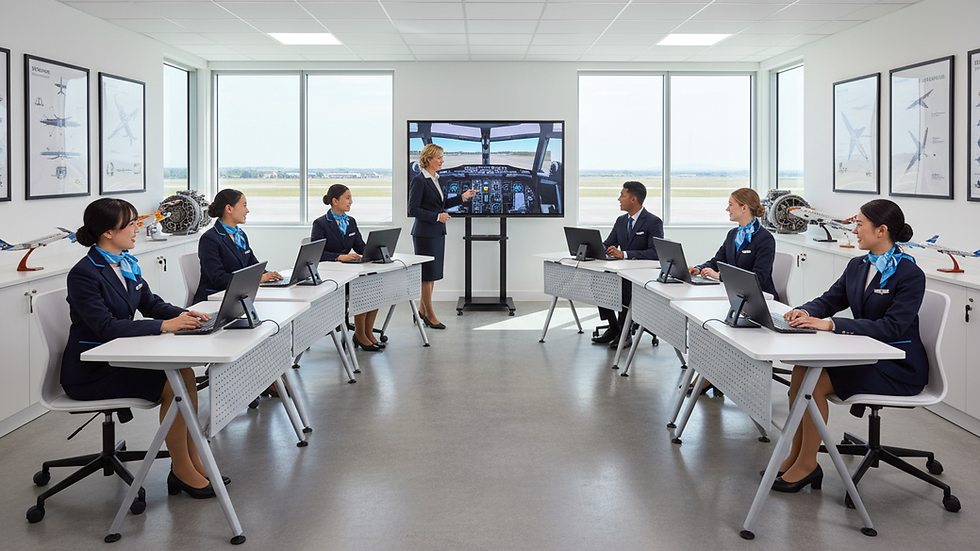
If you are considering a career in this field, enrolling in a reputable training academy is a great first step. Training programs provide you with the necessary certifications, such as the Cabin Crew Attestation, and teach you essential skills like first aid, emergency procedures, and customer service.

Essential Qualifications and Training for Aspiring Cabin Crew
To become a cabin crew member in South Africa, you need to meet certain minimum requirements and complete specific training. Here’s a breakdown of what you need:
Minimum Age and Education: Most airlines require candidates to be at least 18 years old and have a Matric certificate or equivalent.
Medical Fitness: You must pass a medical examination to ensure you are fit to work at high altitudes and handle emergency situations.
Language Skills: Proficiency in English is essential. Additional languages are a plus.
Training: Completing a cabin crew training course accredited by the South African Civil Aviation Authority (SACAA) is mandatory. This training covers safety protocols, emergency evacuations, firefighting, first aid, and customer service.
Training academies like Big Sky Cabin Training Academy offer comprehensive courses that prepare you for the SACAA exams and practical assessments. They also provide career support, helping you with interview preparation and job placement.
How much do cabin crew get paid in South Africa?
Understanding the salary expectations is crucial when planning your career. Cabin crew salaries in South Africa vary depending on the airline, experience, and position. Entry-level cabin crew members typically earn between R8,000 and R12,000 per month. With experience, this can increase to R15,000 to R25,000 or more.
Additional benefits often include travel allowances, medical insurance, and discounts on flights. Some airlines also offer bonuses based on performance and seniority.
Keep in mind that the job involves irregular hours, including nights, weekends, and public holidays. However, the opportunity to travel and gain international experience often outweighs these challenges.

Tips for Applying and Succeeding in Cabin Crew Interviews
Landing your first cabin crew job requires more than just qualifications. Your interview performance plays a significant role. Here are some tips to help you stand out:
Research the Airline: Understand the airline’s values, destinations, and customer service philosophy.
Dress Professionally: Present yourself neatly and professionally, reflecting the airline’s image.
Showcase Soft Skills: Emphasize your communication skills, teamwork, and ability to stay calm under pressure.
Prepare for Common Questions: Practice answers to questions about handling difficult passengers, emergency situations, and why you want to be cabin crew.
Demonstrate Cultural Awareness: Airlines value crew members who can interact respectfully with diverse passengers.
Remember, confidence and a positive attitude can make a big difference. If you don’t succeed the first time, keep improving your skills and reapply.
Building a Long-Term Career in Aviation
Starting as a cabin crew member is just the beginning. Many professionals use this role as a stepping stone to other aviation careers, such as flight attendants on international routes, cabin supervisors, or even roles in airline management.
Continuous learning and professional development are key. Consider additional certifications, language courses, and leadership training to advance your career. Networking with industry professionals and staying updated on aviation trends will also open new doors.
If you are passionate about this career, investing in quality training and gaining practical experience will set you apart. The journey may be challenging, but the rewards of a dynamic and fulfilling career in the skies are worth it.
If you want to explore more about cabin crew careers in South Africa, Big Sky Cabin Training Academy is an excellent place to start. They provide internationally recognized licenses and comprehensive career support to help you succeed in this exciting industry.


Comments