


Starting Your Flight Attendant Training Journey with Flight Attendant Courses
- Meghann du Plooy
- Mar 23
- 3 min read
Embarking on the path to become a flight attendant is an exciting and rewarding adventure. It opens doors to a career filled with travel, cultural experiences, and the opportunity to provide exceptional service to passengers from around the world. If you are ready to take the first step, understanding the essentials of flight attendant courses and what to expect during your training is crucial. This guide will walk you through the key aspects of starting your journey, helping you prepare for success in this dynamic profession.
Understanding Flight Attendant Courses: What You Need to Know
Flight attendant courses are designed to equip aspiring cabin crew members with the skills and knowledge necessary to excel in the aviation industry. These courses cover a wide range of topics, including safety procedures, customer service, emergency response, and regulatory compliance.
When choosing a flight attendant course, consider the following:
Accreditation and Recognition: Ensure the course is recognized by aviation authorities and airlines.
Comprehensive Curriculum: Look for programs that cover both theoretical knowledge and practical skills.
Experienced Instructors: Trainers with real-world experience can provide valuable insights.
Career Support: Some academies offer job placement assistance and interview preparation.
For example, Big Sky Cabin Training Academy offers internationally recognized licenses and comprehensive career support, making it an excellent choice for those serious about entering the aviation industry.
How Long is the Training to Become a Flight Attendant?
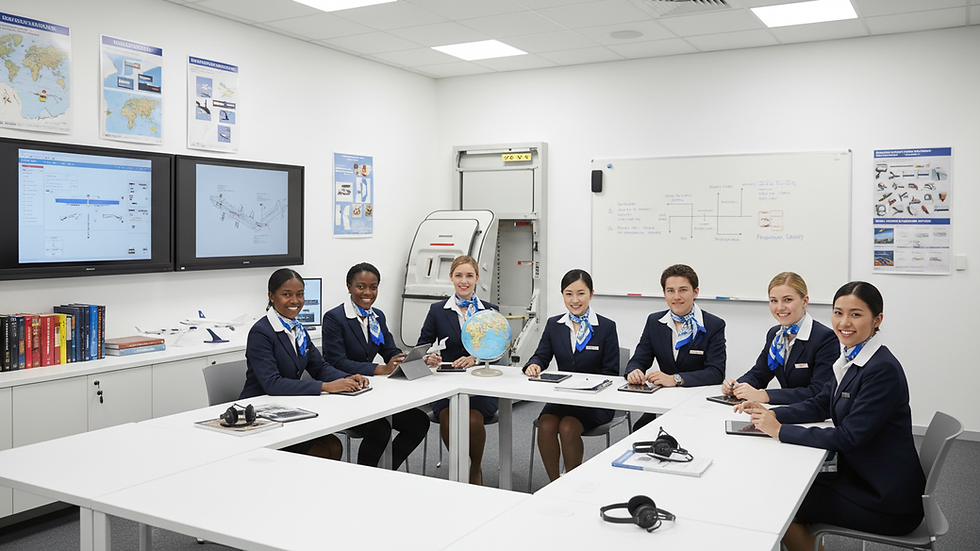
One of the most common questions is about the duration of flight attendant training. Typically, the length of training varies depending on the program and the airline's requirements. On average, training lasts between 4 to 8 weeks.
During this period, trainees undergo intensive sessions that include:
Safety and Emergency Procedures - Learning how to handle in-flight emergencies, evacuations, and first aid.
Customer Service Skills - Developing communication and interpersonal skills to enhance passenger experience.
Regulatory Knowledge - Understanding aviation laws, security protocols, and airline policies.
Practical Simulations - Participating in mock scenarios to practice real-life situations.
Some airlines may require additional training or probation periods after the initial course. It is important to be prepared for a rigorous schedule that demands focus and dedication.

Preparing Yourself for Flight Attendant Training
Starting your flight attendant training journey requires more than just enrolling in a course. Preparation plays a vital role in your success. Here are some practical tips to get ready:
Physical Fitness: Maintain good health and fitness as the job involves long hours on your feet and handling emergency situations.
Communication Skills: Practice clear and confident speaking, as effective communication is key in this role.
Cultural Awareness: Familiarize yourself with different cultures and languages to better connect with diverse passengers.
Time Management: Training schedules can be demanding, so develop strong organisational skills.
Professional Appearance: Airlines often have strict grooming standards, so start cultivating a polished and professional look.
By focusing on these areas, you will enter your training with confidence and a strong foundation.
What to Expect During Your Flight Attendant Training
Flight attendant training is a blend of classroom learning, practical exercises, and assessments. Here’s what you can typically expect:
Interactive Lectures: Covering topics such as aviation safety, customer service, and airline regulations.
Hands-On Practice: Using equipment like life vests, oxygen masks, and evacuation slides.
Role-Playing Scenarios: Simulating passenger interactions and emergency situations.
Written and Practical Exams: Testing your knowledge and skills to ensure readiness.
Teamwork Exercises: Building collaboration skills essential for working with fellow crew members.
The training environment is supportive but challenging, designed to prepare you for the realities of the job. Staying engaged and proactive will help you make the most of this experience.
Taking the Next Step After Training
Completing your flight attendant courses is just the beginning. After training, you will typically undergo:
Certification: Receiving your official cabin crew license or certificate.
Job Applications: Applying to airlines and attending interviews.
Probation Period: Many airlines have a probationary phase where you gain on-the-job experience.
Continuous Learning: Staying updated with new regulations and skills through recurrent training.
To enhance your chances of success, consider networking with industry professionals and joining aviation forums. Keep your resume updated and tailor your applications to highlight your training and customer service skills.
Starting your journey with a reputable academy like Big Sky Cabin Training Academy can provide you with the credentials and support needed to thrive in this competitive field.
Embarking on your flight attendant training journey is a significant step towards a fulfilling career in aviation. With the right preparation, dedication, and guidance from quality flight attendant courses, you can confidently navigate the challenges ahead and soar towards your dream job. Remember, every great flight attendant started with that first step - now it’s your turn to take off!


Comments